
The ecommerce industry has become more competitive than ever. Thousands of online stores are targeting the same customers, selling similar products, and competing for the same search engine positions.
Having a beautiful website, attractive product images, and competitive prices is no longer enough. To generate consistent organic traffic from Google, ecommerce businesses need a strong SEO foundation that includes technical optimization, high-quality content, user experience improvements, and effective off-page SEO strategies.
Among all off-page SEO techniques, ecommerce link building remains one of the most powerful ways to improve website authority and search visibility.
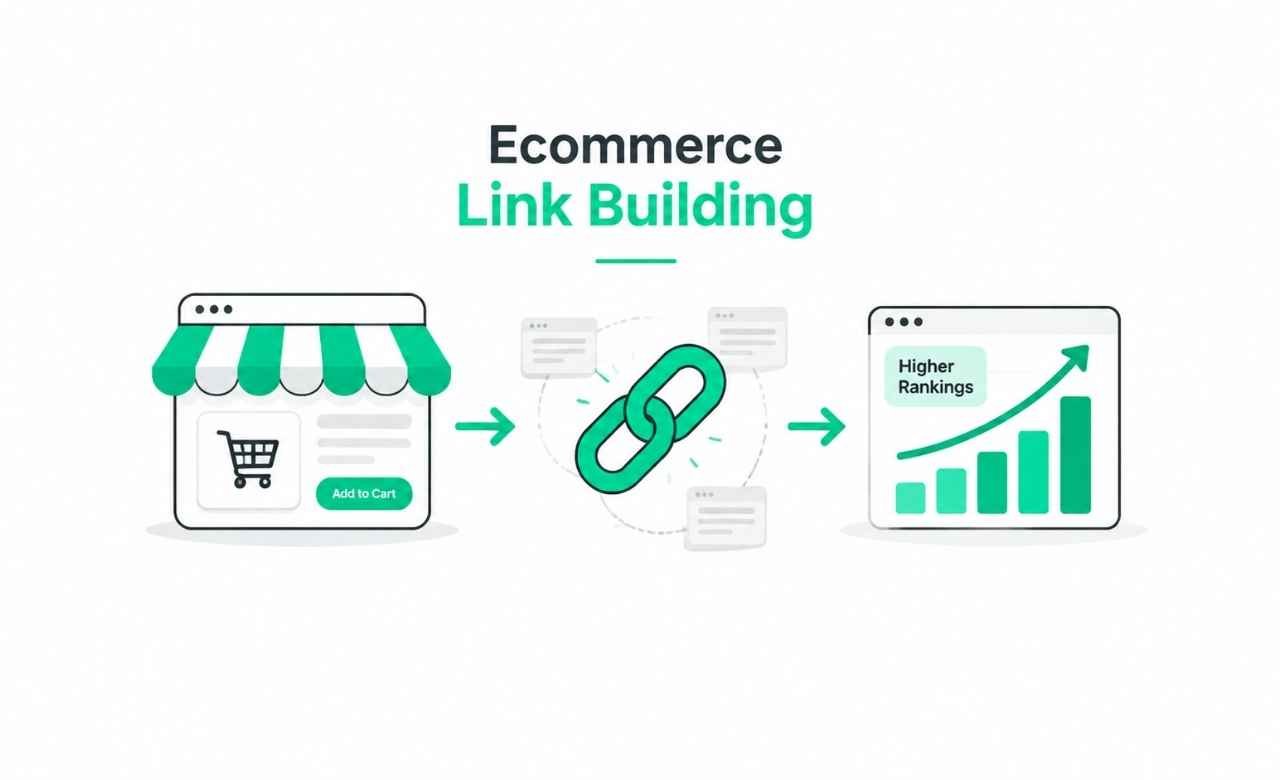
Ecommerce link building is the process of earning backlinks from external websites that point to your online store, product pages, category pages, blogs, or other valuable resources..
Proven Ecommerce Link Building Strategies That Generate Quality Backlinks
Building backlinks for an ecommerce website requires a combination of creativity, relationship building, valuable content, and strategic outreach.
Unlike traditional websites, ecommerce stores need backlinks that support both SEO growth and business goals.
The best ecommerce link building strategies focus on earning links from relevant websites, industry publications, bloggers, influencers, and trusted online resources.
Below are proven methods that help ecommerce brands build a stronger backlink profile.
Product Review Link Building
Product reviews are one of the most effective backlink strategies for ecommerce websites.
Many bloggers, influencers, and industry websites create product review content because their audiences want recommendations before making purchasing decisions.
For example:
A beauty ecommerce brand can collaborate with:
- Beauty bloggers
- Makeup reviewers
- Skincare experts
- Lifestyle websites
A technology store can work with:
- Tech reviewers
- YouTube creators
- Gadget websites
- Comparison blogs
When reviewers mention your product and link to your website, you gain:
- Relevant backlinks
- Brand exposure
- Referral traffic
- Customer trust
How to Find Product Review Opportunities
Search Google using phrases like:
- “product review + your niche”
- “best products + your category”
- “top brands + your industry”
- “recommended products”
Example:
A fitness supplement company can search:
“best protein powder reviews”
Then identify websites already reviewing similar products.
Guest Posting for Ecommerce Websites
Guest posting remains a valuable ecommerce SEO link building strategy when done correctly.
Guest posting involves publishing helpful articles on another website while naturally including a link back to your ecommerce store.
The key is choosing quality websites.
A good guest post opportunity should have:
- Relevant audience
- Strong domain authority
- Real organic traffic
- Industry connection
- Quality editorial standards
Avoid websites that exist only for selling links.
Poor-quality guest posting can create an unnatural backlink profile.
How to Use Guest Posting Effectively
Instead of writing promotional articles, create educational content.
Bad example:
“Buy Our Best Shoes From Our Store”
Better example:
“10 Factors to Consider Before Buying Running Shoes”
Within the article, naturally reference your relevant product category or resource.
This approach provides value to readers while earning an editorial backlink.
Blogger Outreach for Ecommerce Backlinks
Blogger outreach involves contacting relevant bloggers and website owners to introduce your products, content, or brand.
Successful outreach is not about sending hundreds of generic emails.
Effective outreach focuses on:
- Personalization
- Relationship building
- Relevant websites
- Clear value exchange
For example:
Instead of:
“Please link to my website.”
A better approach:
“We noticed your article about sustainable fashion. We recently created a detailed guide about eco-friendly clothing materials that your readers may find useful.”
This creates a natural reason for someone to consider linking.
Digital PR for Ecommerce Link Building
Digital PR combines public relations with SEO to earn high-authority backlinks from news websites, magazines, and industry publications.
Large ecommerce brands often use digital PR campaigns because they can generate hundreds of mentions from authoritative sources.
Examples of digital PR campaigns:
- Industry research reports
- Customer surveys
- Unique product launches
- Expert interviews
- Seasonal trend reports
Example Digital PR Campaign
Imagine a furniture ecommerce store creates:
“2026 Home Design Trends Report Based on 5,000 Customer Preferences”
This type of content can attract links from:
- Interior design websites
- Lifestyle magazines
- Home improvement blogs
- News publications
Because the content provides original information.
Link Building Through Resource Pages
Many websites maintain resource pages where they recommend useful tools, guides, or websites.
These pages can provide valuable backlink opportunities.
Examples:
- Industry resource lists
- Helpful guides
- Recommended tools
- Educational pages
For ecommerce businesses, opportunities may include:
A fitness store:
“Best Fitness Resources for Beginners”
A gardening store:
“Top Gardening Websites and Tools”
A pet store:
“Helpful Pet Care Resources”
How to Find Resource Page Opportunities
Search queries:
- “useful resources + your niche”
- “best websites for + your niche”
- “helpful links + your industry”
- “recommended tools + your topic”
Then analyze whether your content provides genuine value.
How to Build Product Page Backlinks for Ecommerce Websites
Product pages are the most important pages for generating sales, but they are often the hardest pages to earn backlinks for.
Most websites prefer linking to informational resources rather than commercial pages.
However, with the right strategy, ecommerce brands can earn valuable product page backlinks.
Strategy 1: Create Linkable Product Stories
People connect with stories.
Instead of only promoting a product, create content around:
- Product development
- Manufacturing process
- Brand mission
- Unique materials
- Customer benefits
Example:
A shoe company can create:
“How Sustainable Running Shoes Are Made”
This content can naturally link to the product collection.
Strategy 2: Get Included in Product Roundups
Many websites publish articles like:
- Best products of the year
- Top tools for professionals
- Recommended items under a budget
- Expert product selections
These articles attract buyers who are ready to purchase.
Getting included provides:
- Quality backlinks
- Referral traffic
- Product visibility
Strategy 3: Build Relationships With Influencers
Influencer marketing can support ecommerce SEO.
When influencers mention your products on:
- Blogs
- YouTube descriptions
- Social platforms
- Newsletters
they can create valuable brand signals.
Focus on influencers with:
- Relevant audience
- Real engagement
- Industry credibility
A smaller niche influencer can sometimes provide more valuable traffic than a large general influencer.
Strategy 4: Optimize Product Pages Before Link Building
Before acquiring backlinks, ensure your product pages are strong.
Important elements include:
Unique Product Descriptions
Avoid copying manufacturer descriptions.
Create original content highlighting:
- Benefits
- Features
- Use cases
- Customer problems solved
High-Quality Images
Visual content improves user experience and increases conversions.
Include:
- Multiple product angles
- Lifestyle images
- Product demonstrations
Customer Reviews
Reviews improve trust and provide additional keyword opportunities.
Structured Data
Use ecommerce schema markup for:
- Product information
- Prices
- Availability
- Reviews
This helps search engines understand your pages.
Guest Posting and Blogger Outreach Strategies for Ecommerce Brands
Guest posting and outreach remain two of the most commonly used ecommerce backlink strategies.
However, success depends on quality, relevance, and relationship management.
Finding High-Quality Guest Posting Websites
Look for websites that have:
Relevant Topics
A website should match your industry.
Examples:
Fashion store:
- Fashion blogs
- Lifestyle websites
- Beauty publications
Technology store:
- Tech blogs
- Software websites
- Gadget publications
Organic Traffic
A website with real visitors provides more value than a website created only for backlinks.
Editorial Quality
Check:
- Article quality
- Publishing standards
- Existing contributors
- Website reputation
Creating Successful Outreach Emails
A good outreach email should include:
Personalized Introduction
Mention something specific about their website.
Example:
“I enjoyed your recent article about sustainable fashion trends.”
Clear Value Proposition
Explain why your content benefits their audience.
Simple Request
Do not make complicated requests.
Keep communication professional and concise.
Outreach Mistakes to Avoid
Avoid:
- Mass automated emails
- Generic templates
- Buying hundreds of low-quality links
- Ignoring website relevance
- Excessive anchor text optimization
Modern ecommerce SEO requires natural link growth.
Digital PR and Brand Mention Strategies to Earn Authority Links
Brand mentions are powerful because they increase online visibility and trust.
Sometimes websites mention your brand without linking to you.
These are called unlinked mentions.
Converting these mentions into backlinks is a simple opportunity.
Finding Unlinked Brand Mentions
Monitor:
- Google searches
- Brand monitoring tools
- News alerts
- Industry discussions
When you find a mention, contact the website owner and politely request a link.
Creating Link-Worthy PR Campaigns
Successful ecommerce PR campaigns usually include:
Interesting Data
Example:
“Online Shopping Behavior Report”
Expert Opinions
Example:
“Industry Experts Predict Future Fashion Trends”
Unique Stories
Example:
“Small Business Expands Sustainable Production”
Seasonal Campaigns
Examples:
- Holiday shopping trends
- Black Friday research
- Summer product guides
Why Digital PR Works for Ecommerce SEO
Digital PR helps businesses earn:
- Editorial backlinks
- Media coverage
- Brand awareness
- Trust signals
- Referral traffic
Unlike traditional advertising, these links can continue generating value long after publication.
Competitor Backlink Analysis: Finding New Link Opportunities
Competitor backlink analysis is one of the fastest ways to discover ecommerce link building opportunities.
Instead of searching randomly for websites, analyze where successful competitors already receive backlinks.
How Competitor Backlink Analysis Works
The process involves:
- Identify your competitors
- Analyze their backlink profiles
- Find valuable referring domains
- Understand why they received links
- Create better opportunities
What to Analyze
Look at:
Referring Domains
Which websites link to competitors?
Link Type
Are links coming from:
- Blogs
- News websites
- Reviews
- Resource pages
- Partnerships
Content That Earned Links
Identify:
- Guides
- Research articles
- Tools
- Comparisons
Then create improved versions.
Example
Competitor receives backlinks from:
“Best Outdoor Gear Websites”
Opportunity:
Create a stronger resource:
“Complete Outdoor Adventure Equipment Guide”
Then reach out to similar websites.
Common Ecommerce Link Building Mistakes to Avoid
Ecommerce link building can significantly improve organic visibility, but many online stores make mistakes that slow down SEO growth or damage their backlink profile.
A successful backlink strategy is not only about gaining more links. It is about earning the right backlinks from relevant and trustworthy sources.
Understanding common mistakes helps ecommerce businesses create a safer and more effective SEO strategy.
1. Focusing Only on Quantity Instead of Quality
One of the biggest mistakes ecommerce websites make is chasing a high number of backlinks without considering their quality.
A website with 500 low-quality backlinks may perform worse than a website with 50 authoritative and relevant backlinks.
Search engines evaluate factors such as:
- Website authority
- Industry relevance
- Link placement
- Content quality
- Natural growth patterns
For example:
A backlink from a respected fashion magazine to an online clothing store is more valuable than dozens of links from unrelated websites.
The goal should be:
Earn fewer but stronger backlinks that improve website authority and rankings.
2. Buying Low-Quality Backlinks
Many ecommerce businesses are attracted by cheap backlink packages promising hundreds or thousands of links.
These services often use:
- Spam websites
- Automated link networks
- Irrelevant directories
- Artificial link schemes
Although these tactics may create temporary changes, they can harm long-term SEO performance.
A sustainable ecommerce SEO strategy focuses on:
- Editorial backlinks
- Industry relationships
- Valuable content
- Digital PR
- Genuine partnerships
3. Ignoring Website Relevance
Relevance is one of the most important factors in modern link building.
A backlink should come from a website connected to your industry.
Examples:
Good backlink:
A fitness blog linking to a sports nutrition ecommerce store.
Weak backlink:
A random entertainment website linking to the same store.
Relevant backlinks help search engines understand your website’s topic and expertise.
4. Using Over-Optimized Anchor Text
Anchor text is the clickable text used in a hyperlink.
Example:
“best running shoes online”
is anchor text.
Many websites make the mistake of using the exact same keyword repeatedly.
This creates an unnatural link profile.
A natural backlink profile includes different anchor variations:
- Brand name
- Website URL
- Product name
- Natural phrases
- Partial keywords
Example:
Instead of always using:
“buy running shoes online”
use variations like:
- ABC Shoes
- visit this footwear store
- their running collection
- learn more here
Natural anchor text looks more authentic.
5. Building Links Only to the Homepage
Many ecommerce websites focus only on homepage backlinks.
While homepage authority is important, other pages also need link equity.
Important pages to build links toward:
- Product pages
- Category pages
- Buying guides
- Comparison articles
- Educational resources
A balanced backlink profile improves overall website strength.
6. Ignoring Internal Linking After Getting Backlinks
External backlinks are only one part of SEO.
Internal linking helps distribute authority throughout your website.
For example:
A blog article receiving backlinks can internally link to:
- Product categories
- Related products
- Buying guides
This helps search engines discover important pages.
A strong ecommerce website combines:
- External backlinks
- Internal linking
- Optimized content
- Technical SEO
7. Creating Content Only for Search Engines
Some businesses create articles filled with keywords but provide little value.
Modern SEO requires content that genuinely helps users.
High-performing ecommerce content should answer:
- Customer questions
- Buying concerns
- Product comparisons
- Industry problems
Useful content naturally attracts backlinks.
11. How to Measure Ecommerce Link Building Success
Successful ecommerce link building requires tracking performance.
Without measurement, businesses cannot understand which strategies generate results.
Important SEO metrics help evaluate whether backlink campaigns are improving visibility and authority.
1. Monitor New Referring Domains
A referring domain is a unique website that links to your store.
For example:
If 20 different websites link to your ecommerce website, you have 20 referring domains.
Quality matters more than numbers.
Track:
- New referring domains
- Domain authority
- Website relevance
- Link growth rate
2. Track Keyword Rankings
The main goal of ecommerce SEO link building is improving search visibility.
Monitor rankings for:
- Product keywords
- Category keywords
- Commercial search terms
- Informational keywords
Examples:
Before link building:
“best office chair”
Position: 35
After successful SEO improvements:
Position: 8
Higher rankings can generate more organic traffic.
Measure Organic Traffic Growth
Use analytics tools to monitor:
- Organic visitors
- Landing pages
- User engagement
- Conversion rates
A successful ecommerce backlink campaign should contribute to more qualified visitors.
4. Monitor Domain Authority Metrics
SEO tools provide authority-related measurements such as:
- Domain Rating (DR)
- Domain Authority (DA)
- Trust Flow
- Citation Flow
These metrics are not official Google ranking factors, but they help evaluate backlink strength.
Analyze Referral Traffic
Some backlinks provide direct visitors.
A valuable backlink can generate:
- Potential customers
- Brand awareness
- Sales opportunities
Do not evaluate backlinks only by SEO value.
A link that sends targeted visitors can be extremely valuable.
Track Conversion Impact
The ultimate goal of ecommerce marketing is business growth.
Measure:
- Sales generated
- Revenue from referral traffic
- Product purchases
- Newsletter signups
The best backlinks improve both:
- Search visibility
- Customer acquisition
Ecommerce Link Building Tools
Several tools can help analyze backlinks and discover opportunities.
Ahrefs
Useful for:
- Competitor backlink analysis
- Link gap research
- Referring domain analysis
Semrush
Useful for:
- Backlink audits
- Keyword tracking
- Competitor research
Google Search Console
Useful for:
- Monitoring website performance
- Checking top linking websites
- Understanding search visibility
Screaming Frog
Useful for:
- Technical SEO analysis
- Internal linking audits
- Website structure checks
Future of Ecommerce SEO Link Building: Trends and Best Practices
SEO continues to evolve, and ecommerce businesses must adapt their link building strategies.
Future success will depend on creating genuine value, building authority, and developing meaningful relationships.
Focus on Digital PR and Brand Authority
Search engines increasingly reward trustworthy brands.
Businesses that invest in:
- Expert content
- Industry research
- Media relationships
- Original data
will have stronger opportunities to earn editorial backlinks.
Read more:B2B Blogger Outreach Service: How to Build Quality Links & Increase Visibility
AI-Assisted Content Research
Artificial intelligence is changing SEO workflows.
AI tools can help businesses:
- Find content opportunities
- Analyze competitors
- Research keywords
- Identify backlink prospects
However, human expertise remains important.
Successful content requires:
- Experience
- Original insights
- Accuracy
- Real value
Increased Importance of Topical Authority
Future ecommerce SEO will focus more on becoming an authority within a niche.
Instead of creating random content, brands should build complete topic ecosystems.
Example:
A coffee ecommerce store can create content around:
- Coffee brewing methods
- Coffee bean guides
- Equipment reviews
- Storage techniques
- Industry trends
This builds stronger relevance.
4. More Emphasis on User Experience
SEO is connected with user satisfaction.
Websites that provide:
- Fast loading speed
- Easy navigation
- Helpful content
- Mobile optimization
are better positioned for long-term success.
5. Relationship-Based Link Building
The future of link building is less about automated tactics and more about relationships.
Successful brands will build connections with:
- Publishers
- Bloggers
- Influencers
- Industry experts
Strong relationships create sustainable backlink opportunities.
Frequently Asked Questions About Ecommerce Link Building
1. What is ecommerce link building?
Ecommerce link building is the process of earning backlinks from external websites to improve an online store’s authority, search rankings, and organic traffic.
It includes strategies such as guest posting, product reviews, digital PR, influencer outreach, and content marketing.
2. Why are backlinks important for ecommerce SEO?
Backlinks help search engines understand that your ecommerce website is trustworthy and relevant.
High-quality backlinks can improve:
- Search rankings
- Website authority
- Organic visibility
- Referral traffic
3. How can I get backlinks for my ecommerce website?
Common methods include:
- Creating valuable content
- Guest posting
- Product reviews
- Blogger outreach
- Digital PR campaigns
- Competitor backlink analysis
- Resource page outreach
4. Are product page backlinks valuable?
Yes. Product page backlinks can improve rankings for commercial keywords and increase product visibility.
However, they are often harder to earn, so many brands first create valuable supporting content.
5. How many backlinks does an ecommerce website need?
There is no fixed number.
The required amount depends on:
- Competition level
- Industry
- Website authority
- Keyword difficulty
- Quality of existing backlinks
Quality and relevance are more important than quantity.
6. Should ecommerce businesses buy backlinks?
Buying low-quality backlinks is risky and can negatively affect SEO performance.
Businesses should focus on earning natural backlinks through valuable content, partnerships, and digital PR.
7. How long does ecommerce link building take to show results?
SEO results vary depending on:
- Website age
- Competition
- Existing authority
- Content quality
- Backlink quality
Many businesses see gradual improvements over several months with consistent effort.
Final Thoughts
Ecommerce link building is not just about collecting backlinks; it is about building trust, authority, and visibility in a highly competitive online marketplace. A successful backlink strategy helps search engines understand the value of your ecommerce website while connecting your brand with relevant audiences.
The most effective approach focuses on earning high-quality, relevant backlinks through valuable content, digital PR, guest posting, product reviews, influencer partnerships, and genuine industry relationships. Instead of chasing large numbers of links, ecommerce businesses should prioritize authoritative websites, natural link placements, and meaningful brand mentions.
A strong ecommerce SEO strategy combines link building with other important factors, including technical SEO, optimized product pages, internal linking, user-friendly website design, and helpful content that answers customer questions.